

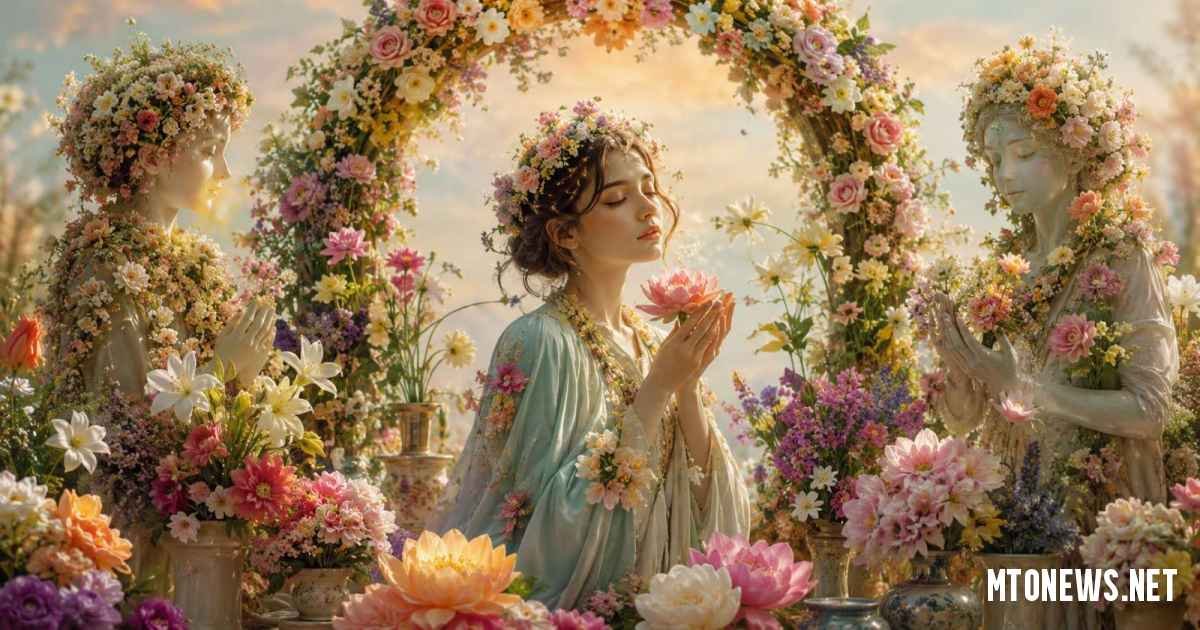

In 2026, Fleurism has emerged as one of the most fascinating concepts connecting art, flowers, philosophy, interior design, and mindful living. More than simply appreciating beautiful blooms, Fleurism encourages people to see flowers as symbols of emotion, transformation, and human connection. Inspired by contemporary art exhibitions and the timeless language of flowers, Fleurism has become a growing trend among artists, designers, gardeners, and lifestyle enthusiasts worldwide.
Whether you’ve searched for what is Fleurism, Fleurism art, or the language of flowers, this complete guide explains everything you need to know about this inspiring movement in simple language.
What Is Fleurism? Meaning and Origin
The word Fleurism comes from the French word “Fleur,” meaning flower. At its core, Fleurism represents the philosophy, artistic expression, and appreciation of flowers as more than decorative objects. Instead, flowers become powerful symbols that communicate emotions, life experiences, and human growth.
In its simplest definition, Fleurism is the contemporary language of flowers. It offers a modern perspective on flora by combining art, emotion, storytelling, and personal reflection.
The term gained international recognition through the contemporary exhibition “Fleurism“, presented by Wasuka Art in partnership with Dao by Dorsett, Singapore. According to the exhibition, Fleurism offers “a contemporary perspective on flora and its many facets through a variety of visual concepts, styles, and techniques that have been thoughtfully interpreted by a group of local and international, aspiring and established artists.”
The exhibition featured eight artists with diverse artistic styles whose works collectively explored the contemporary language of flowers while reflecting the personal growth and transformation of people through the changing life cycles of plants.
Rather than focusing solely on floral beauty, Fleurism encourages viewers to recognize flowers as symbols of resilience, transformation, relationships, emotion, and the shared journey between humanity and nature.
Fleurism and Floriography: The Modern Language of Flowers
To fully understand Fleurism, it’s important to understand Floriography, often called the language of flowers.
Floriography is a centuries-old system of symbolic communication in which flowers convey messages and emotions without using words. Throughout history, cultures across Europe, Asia, and Africa have assigned meanings to specific flowers, using floral arrangements to express affection, sympathy, celebration, remembrance, or hope.
Fleurism can be viewed as the modern evolution of Floriography, adapting traditional symbolism into contemporary art and everyday life.
Common floral meanings include:
- Red Rose – Love, passion, and romance
- White Lily – Purity, renewal, and new beginnings
- Sunflower – Loyalty, optimism, strength, and happiness
- Cherry Blossom – The beauty and temporary nature of life
- Lavender – Peace, healing, calmness, and devotion
Within the Fleurism exhibition, artists used their distinctive watercolour techniques and botanical studies to illustrate the symbiotic relationship between humanity and nature, emphasizing that each depends upon the other for survival.
Today, many people embrace Fleurism by using flowers in bouquets, tattoos, greeting gifts, and home décor to communicate emotions and meaningful messages that words alone sometimes cannot express.
Fleurism as a Contemporary Art Movement
In the modern art world, Fleurism is increasingly recognized as a contemporary movement that places flowers and plant life at the center of visual storytelling.
Unlike traditional still-life floral paintings that simply capture botanical beauty, Fleurism art portrays flowers as living symbols that experience growth, change, decline, and renewal in much the same way humans do.
Several characteristics define this artistic approach.
The movement embraces a contemporary perspective on nature, presenting flowers not as static objects but as representations of emotional journeys and personal transformation.
Artists frequently experiment with mixed media, combining watercolour painting, digital illustration, photography, installation art, and sculpture to communicate botanical themes through multiple creative techniques.
Each artwork typically emphasizes emotional storytelling, using petals, leaves, stems, and seasonal changes to symbolize experiences such as love, grief, resilience, healing, growth, and hope.
Another defining feature is its celebration of local and international artistic perspectives. The Singapore exhibition brought together artists from diverse backgrounds, demonstrating how different cultures interpret the symbolism of the same flower in unique ways.
As a result, Fleurism has become increasingly visible across Pinterest, Instagram, art galleries, botanical exhibitions, and contemporary design communities throughout 2026.
Fleurism as a Lifestyle and Interior Design Trend
Beyond galleries and museums, Fleurism has become a significant lifestyle philosophy and home décor trend.
Rather than placing flowers purely for decoration, Fleurism decorating encourages intentional use of plants and floral elements that reflect personal emotions, aspirations, and daily mindfulness.
One popular approach is Fleurism Minimalism, where instead of filling rooms with numerous plants, homeowners select one meaningful floral arrangement representing their current emotional state—for example, white orchids symbolizing peace and clarity.
Another growing trend involves dried flowers, pressed botanical art, and preserved roses, which represent lasting memories, gratitude, and continuity within the Fleurism philosophy.
Many interior designers now create floral language walls, displaying botanical artwork where each plant carries symbolic meaning. Lavender may represent calmness, eucalyptus protection, and peonies prosperity, allowing entire rooms to tell meaningful visual stories.
Scent-based Fleurism also continues gaining popularity through the intentional use of natural fragrances such as rose, gardenia, jasmine, and lavender to encourage relaxation, emotional balance, and mindfulness.
Equally important is Sustainable Fleurism, which encourages growing native plants, supporting seasonal flowers, and respecting local ecosystems instead of relying heavily on imported floral products. This philosophy reinforces the exhibition’s central message about the interconnected relationship between people and nature.
Because of these ideas, many designers now describe Fleurism as the modern successor to Hygge, emphasizing comfort, mindfulness, and intentional living through nature.
Fleurism Philosophy: More Than Just Flowers
At its deepest level, Fleurism is not simply an artistic trend—it is a philosophy of life inspired by nature.
One of its central principles is that everything is temporary, just like a flower in bloom. Blossoms flourish beautifully before eventually fading, reminding us that both joyful moments and difficult challenges naturally pass with time.
Another important lesson teaches that growth requires both sunshine and rain. Flowers develop through favorable weather as well as storms, just as people often grow strongest through both success and hardship.
The philosophy also celebrates beauty within imperfection, echoing ideas similar to the Japanese concept of Wabi-Sabi. A bent stem, fading petal, or weathered leaf remains beautiful because it reflects authenticity and life’s natural progression.
Perhaps the most meaningful idea within Fleurism is connection. As emphasized in the original exhibition, humanity and nature depend upon one another. The movement asks an important question: What would our world be without either people or nature?
Inspired by these principles, many individuals in 2026 practice flower journaling, floral meditation, botanical sketching, gardening, or even choose Fleurism-inspired tattoos as reminders of personal growth and resilience.
How to Practice Fleurism in Daily Life
Practicing Fleurism does not require artistic training or expensive floral arrangements. Anyone can begin incorporating its ideas into everyday life.
Start by learning the symbolic meanings behind flowers that resonate with your personality, birth month, or current life goals. Understanding floral symbolism makes bouquets and gardens far more meaningful.
Create a small Fleurism corner in your home featuring a living plant, botanical artwork, and a natural floral fragrance. This dedicated space can become a peaceful area for reading, reflection, or meditation.
When giving flowers to others, build intentional bouquets rather than selecting random arrangements. Combining lavender, white roses, and chamomile, for example, can express encouragement, healing, and hope.
If possible, visit Fleurism exhibitions, botanical gardens, or local art galleries showcasing floral themes. When in-person visits aren’t possible, many artists share their botanical work online through digital exhibitions and social media.
Finally, consider documenting your own growth by photographing the same flower or plant over several weeks while recording your personal experiences alongside its changing stages. This simple practice beautifully reflects the philosophy at the heart of Fleurism.
Final Conclusion: Why Fleurism Is One of 2026’s Most Meaningful Trends
Fleurism is far more than a decorating style or artistic movement—it represents a renewed appreciation for nature, mindfulness, creativity, and human connection. In an increasingly fast-paced digital world, many people are rediscovering the calming influence of flowers and the powerful symbolism they carry.
From its emergence through the Wasuka Art and Dao by Dorsett Singapore exhibition, featuring eight artists exploring the contemporary language of flowers, to its influence on interior design, lifestyle philosophy, and modern floral art, Fleurism continues inspiring people across cultures.
Whether expressed through meaningful bouquets, botanical artwork, sustainable gardening, home décor, or personal reflection, Fleurism reminds us that flowers are far more than decoration—they are symbols of growth, resilience, beauty, emotion, and life itself.
If you’re looking to bring more purpose, creativity, and natural beauty into your daily life, embracing Fleurism in 2026 is a thoughtful place to begin. Let your surroundings—and your life—bloom with intention.
